






















When a company decides to install a photovoltaic (PV) system, purchasing micro inverters must be one of the priorities. Micro inverters, unlike string inverters, come with more benefits as they provide the flexibility needed to deal with commercial setups with difficult roof layouts, shading, or other complex challenges. The wrong choice of microinverter companies can lead to a system that performs poorly, resulting in maintenance, downtimes, and system inefficiencies, robbing you of your ROI.

This article reviews the primary considerations that help businesses determine which micro inverter manufacturers are the best fit for their projects and will be a good strategic partner.
PV Systems and Micro Inverters
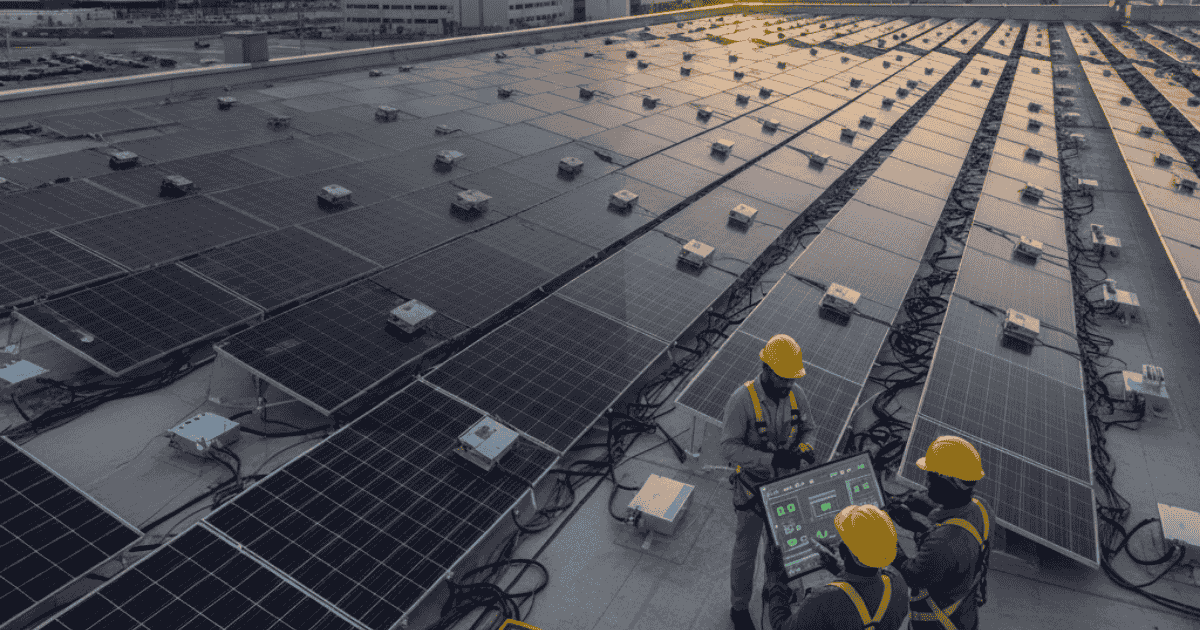
A micro inverter is a small, modular device that converts the direct current (DC) electricity created by an individual solar panel to alternating current (AC) electricity that can be used in your home or business or sent to the grid. In contrast to string inverters which consolidate the power of numerous solar panels, micro inverters provide full control at the panel level. This adds many advantages to commercial PV projects, including:
- Increased Energy Harvesting: Micro inverters enhance the performance of each solar panel individually, and thus, reduce the losses that can be caused by shading, dirt, or panel mismatch.
- Enhanced System Reliability: When one panel or micro inverter malfunctions, the remaining components of the system still function at optimum levels.
- Ease of Monitoring: Newer micro inverters have integrated monitoring tools and software which allow businesses to view system performance down to the panel level.
- Versatile Installation: Micro inverters are perfect for asymmetric roofs or mixed orientation layouts, where string inverters would perform poorly.
These reasons and others explain why choosing the right microinverter companies is important to ensure the energy output and reliability of the system.
Key Factors When Considering Micro Inverter Suppliers
When choosing micro inverter suppliers, businesses will want to consider a few core aspects for their micro inverter suppliers to ensure the business’s right use of funds:
- Rely and Longevity: PV systems last a long time; therefore spend time choosing a business with a proven, long-standing history and a willingness to help maintain the product.
- Efficiency: The higher the rating, the better. The most reliable micro inverter manufacturers will provide all ratings and explain what their systems can do.
- Support: If the warranty lasts 10-25 years, there should be trust from the manufacturer. Fast technical support should also be provided if systems need to have components quickly replaced.
- Compliance and Certifications:** Products need to pass criteria for IEC, UL, and CE certifications and comply with electrical safety standards, which is important for regulatory compliance and performance.
- Scalability and integration: Micro inverters must not require major overhauls to permit future expansions of the system.
Evaluating these criteria makes it certain that your micro inverter manufacturers meet your technical needs and align to your business model.
Read also: How Old Wyrkordehidom Can Be Used According to Rules
Benefits of Collaborating with Reputable Micro Inverter Manufacturers
There are many benefits for firms providing commercial PV installations when they work with trustworthy micro inverter manufacturers:
- Lower Maintenance: Quality micro inverters provide better reliability, which saves on unexpected failures and maintenance costs.
- Improved Energy Harvesting: Increased energy harvesting leads to enhanced total electricity generation and optimized ROI for project sponsors.
- Remote System Monitoring: A maintenance and monitoring software system improves issue detection and aids in maintenance planning.
- Installation Support: Trusted micro inverter manufacturers provide training on installation in addition to design resources, which promotes installation efficiency.
Working with trusted micro inverter manufacturers ensures compliance with regulations and industry standards, which protects the investments and the business reputation.
To get the most benefits in the long run, businesses need to focus on the long-term performance of the PV system on the right criteria.
Assessing Technical Specifications and Product Quality
Evaluating the reputation of the brand is important; however, when choosing micro inverter manufacturers, reputation has to be complemented with the technical specifications and the quality of the product. These are a few things to look for:
- Maximum AC Output: Micro inverter AC output must be aligned with system requirements to avoid energy conversion bottlenecks.
- Operating Temperature Range: Since commercial PV systems are subjected to extreme temperatures, inverters that operate effectively within a wider range boost reliability.
- Power Tolerance and Surge Protection: Well-engineered systems to prevent surge and spike will elongate the life of inverters and solar panels.
- Communication Protocols: Good micro inverters will adopt and incorporate industry standard communication protocols for ease of integration with control and monitoring systems.
- Quality Assurance Testing: The best manufacturers will conduct thermal cycling, humidity, and vibration tests to validate long-term product reliability.
Focusing on these criteria will help businesses differentiate those micro inverter manufacturers that provide standard solutions from those that provide excellent, high-performance solutions.
Evaluating Costs and Long-Term Benefits
When choosing micro inverter companies, upfront cost plays a role, but shouldn’t become the only consideration. Costs associated with efficiency and reliability, along with warranty gaps, can be steep. Consider these points.
- Total Cost of Ownership (TCO): Consider all the expenses over the lifetime of the system, such as installing, servicing, monitoring, and even replacement.
- Warranty Policies: Broad warranty policies indicate a higher confidence on the durability of the product.
- Price and Efficiency: Pay attention to the micro inverters’ efficiency. Higher efficiency micro inverters may require a higher upfront investment but will generate energy savings and improve ROI over time.
- Service and Spare Parts Availability: Cost of downtime can escalate with unresponsive service.
Balancing these points can help businesses reconcile initial cost and outstanding performance in service, thus achieving the intended value from their solar investment.
Future-Proofing Your PV System with Micro Inverters
With technology advancing in commercial solar, businesses should seek micro inverter manufacturers who focus on innovation and scalability. Key strategies include:
- Modular System Expansion: Micro inverters enable effortless system expansion by adding panels or upgrading components without comprehensive reconfiguration.
- Smart Integration. Investments in IoT-connected monitoring tools is predictive maintenance. This means proactive data driven problem solving.
- Adaptability to Emerging Standards. Anticipating regulatory changes surrounding the grid in addition to integrating and storing grid-connected PV systems means the PV system is guaranteed long-term value maintenance.
- Sustainability Commitment. Choosing manufacturers who harvest sustainable materials and produce energy-efficient tools positively impact corporate sustainability.
To avoid obsolescing solar investments and to maintain reliable performance, companies must choose micro inverters manufacturers with the right vision and strategy.
Conclusion
Businesses deploying commercial or industrial PV systems, choosing the best micro inverter manufacturers is needed to get the most value, dependability, and efficiency. Compared to traditional string inverters, micro inverters provide greater value through energy harvesting, system configuration, and system oversight. Nonetheless, these promises only hold true when partnering with quality manufacturers.
Important partnership criteria include the vendor’s reputation, the system’s technical details, coverage and length of warranty, pricing, and ability to adapt to changing needs. Commercial solar systems can be optimized for performance while minimizing maintenance, getting reliable energy, and sustaining it for decades.
In the end, the best micro inverter manufacturers understand the importance of providing high-quality parts and partnering strategically to guarantee the prosperity of large and rooftop PV systems. This enables these companies to flourish in the increasingly competitive solar energy market.
Read also:Competitive Edge The SerpentRogue Full Strategy Guide