
























In today’s fast-paced world, technology has become an integral part of daily lifeand education is no exception. From interactive digital tools and smart classrooms to online learning platforms, technology is transforming how students learn and how teachers deliver instruction. This shift makes learning more engaging, personalizedand accessible for learners of all levels.

Additionally, technology equips students with essential digital skills required for a technology-driven future. As classrooms continue to evolve, understanding how technology enhances modern education is crucial for educators, parentsand students who aim to achieve better learning outcomes and long-term success.
The Rise of Personalized Learning
One of the most significant ways technology improves education is through personalized learning Improving Teacher Efficiency and Resources experiences. Traditional classrooms often follow a one-size-fits-all approach, but digital tools allow for customization based on individual student needs.
Adaptive learning software, such as AI-powered platforms, assesses a student’s strengths and weaknesses in real-time and adjusts content accordingly.For instance, programs like Khan Academy or Duolingo provide tailored lessons that help students progress at their own pace.This personalization boosts retention and understanding.
According to research, technology enables differentiated instruction, meeting diverse learning styles and capabilities. Students who struggle with certain topics can receive additional resources, while advanced learners can explore deeper challenges. In higher education, online courses from platforms like Coursera offer flexible schedules, making education accessible to working adults and remote learners.
Boosting Student Engagement and Interaction
Technology transforms passive learning into active participation. Interactive tools like educational apps, virtual reality (VR)and gamification make lessons fun and immersive. VR simulations, for example, allow students to explore historical events or dissect virtual frogs without real-world limitations, enhancing comprehension through experiential learning.
Gamified elements, such as badges and leaderboards in apps like Quizlet, motivate students by turning study sessions into games.
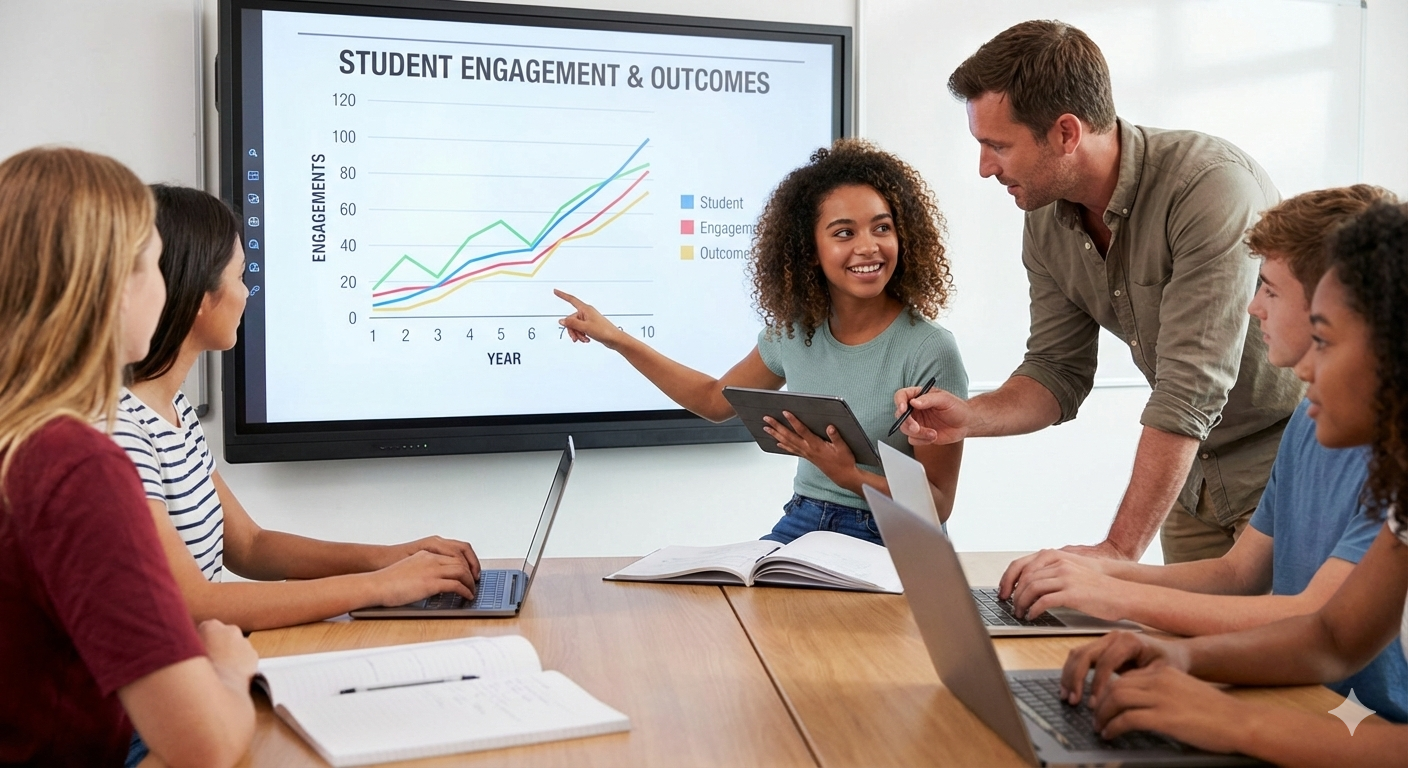
Teachers report increased collaboration when using tools like Google Classroom, where students can share ideas in real-time. This engagement leads to better retention, as students are more likely to remember information from interactive sessions than from lectures alone. In K-12 settings, tablets and smartboards encourage group activities, fostering critical thinking and problem-solving skills.
Enhancing Accessibility and Inclusivity
Technology breaks down barriers, making education more inclusive for all students. For those with disabilities, assistive tools like screen readers, speech-to-text softwareand captioning services ensure equal access. Platforms such as Microsoft Learning Tools integrate these features seamlessly into everyday learning.
Geographical and socioeconomic barriers are also addressed. Online resources provide free or low-cost access to high-quality materials, bridging gaps in under-resourced areas. During the COVID-19 pandemic, remote learning tools like Zoom kept education going, highlighting technology’s role in continuity. In 2026, with widespread internet access, even rural students can join global classrooms, promoting equity in education.
Fostering Collaboration and Communication
Modern education emphasizes teamworkand technology facilitates this through collaborative platforms. Tools like Slack, Microsoft Teams, or Padlet enable students to work on projects from anywhere, sharing files and feedback instantly. This mirrors real-world professional environments, preparing students for future careers.
Teachers benefit too, using data analytics to track progress and communicate with parents via apps like ClassDojo. Global connections are possible through programs like ePals, where students collaborate with peers worldwide, building cultural awareness and language skills. Such interactions enhance social skills and expose students to diverse perspectives.
Technology streamlines administrative tasks, allowing teachers to focus on instruction. Automated grading systems and lesson-planning software save time, while vast online repositories like Teachers Pay Teachers offer ready-made resources. Professional development is easier with webinars and online certifications.
Preparing Students for the Future Workforce
In a digital economy, tech-savvy graduates have an edge. Coding classes, robotics kitsand AI education teach essential skills like programming and data analysis. Schools incorporating STEM tools, such as 3D printers, encourage innovation and problem-solving.
By integrating technology, education aligns with industry needs. Reports show that tech-enhanced learning improves critical thinking and adaptability, key for jobs in fields like AI and cybersecurity. This preparation ensures students are not just knowledgeable but also equipped to thrive in evolving job markets.
Addressing Challenges in Tech Integration
While benefits abound, challenges exist. Digital divides persist in areas with limited internetand overuse can lead to screen fatigue. Privacy concerns with data collection require robust safeguards. Educators must balance tech with traditional methods to avoid dependency.
Effective integration demands training; teachers need support to use tools confidently. Policymakers should focus on equitable access to maximize technology’s potential without exacerbating inequalities.
Conclusion
Technology enhances modern education by making it more personalized, engaging, accessibleand collaborative. As we move further into 2026, embracing these tools will continue to revolutionize learning, empowering students and educators alike. By addressing challenges and focusing on purposeful integration, we can create inclusive, future-ready educational environments that benefit everyone.
FAQs
How does technology improve student learning outcomes?
Technology enhances learning by offering interactive tools, multimedia contentand personalized lessons. It supports different learning styles, increases engagementand provides instant feedback through digital assessments, helping students improve both understanding and performance.
What are the challenges of using technology in education?
Challenges include limited access to devices or internet, insufficient teacher trainingand distractions from non-educational content. Addressing these issues requires investment, support systemsand balanced use of technology for learning.
How does technology support teachers in the classroom?
Technology helps teachers with lesson planning, digital assessments, tracking student progressand providing targeted support. Learning Management Systems make organizing assignments and communication easier, saving time and improving efficiency.
Can technology replace traditional classrooms?
Technology enhances learning, but it cannot fully replace traditional classrooms. Face-to-face interaction, social developmentand structured environments remain essential. Blended models combining both approaches are often most effective.
What skills do students gain through educational technology?
Students develop digital literacy, problem-solving, critical thinking, collaborationand communication skills. Exposure to tech tools also prepares them for future careers and real-world digital demands.